Many clients come to therapy believing something is fundamentally wrong with them.
They feel broken. Too emotional. Not motivated enough. Too anxious. Too sensitive. Not strong enough to change.
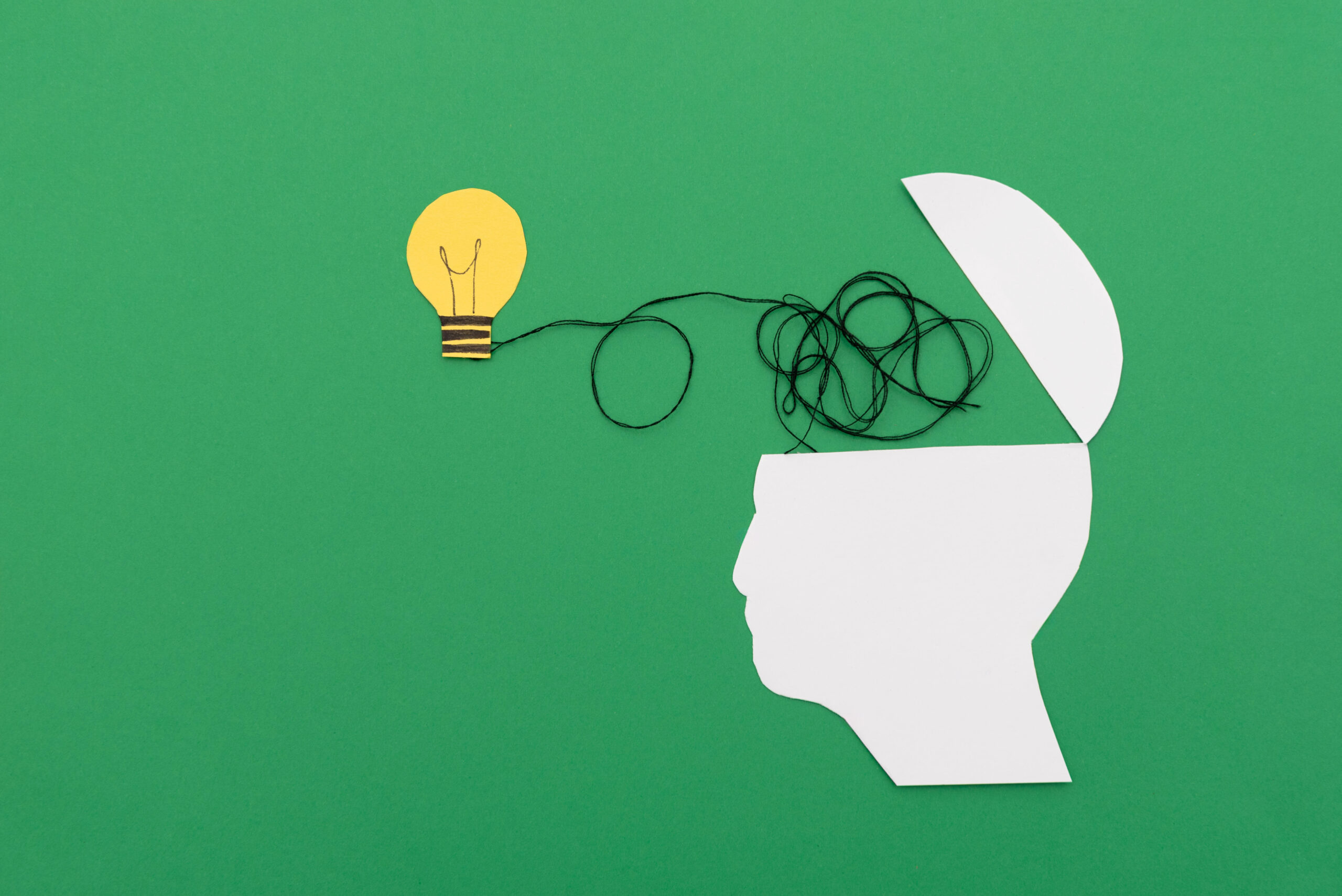
Often, what keeps them stuck is not a lack of insight or effort—but the meaning they’ve assigned to their internal experiences.
In therapy, healing frequently begins not by fixing behavior, but by changing the frame through which clients understand themselves.
Below are twelve therapeutic reframes that can be especially powerful for individuals who feel ashamed, resistant, or exhausted by the idea of “doing the work.” While many of these ideas may sound familiar, the way they’re framed can create profound emotional shifts—particularly for clients who have learned to survive by shutting down, pushing through, or criticizing themselves.
- 1. From “An open heart is dangerous” To “A closed heart is what hurts”
- 2. From “Fear means stop” To “Fear means I’m touching something new”
- 3. From “Trauma broke me” To “Trauma is emotion that never got to move”
- 4. From “Pain is the problem” To “Pain is the doorway”
- 5. From “Judging others” To “Avoiding my own feelings”
- 6. From “Anger is bad” To “Anger is a boundary asking to exist”
- 7. From “Boundaries are about controlling others” To “Boundaries are about self-trust”
- 8. From “I must change to be lovable” To “When I feel lovable, I change”
- 9. From “Motivation comes from shoulds” To “Change comes from wants”
- 10. From “Overthinking means I need better logic” To “Overthinking means I’m avoiding a feeling”
- 11. From “Sensitivity is weakness” To “Sensitivity is nervous-system intelligence”
- 12. From “Success comes from pushing” To “Success comes from loving the doing”
- The Core Therapeutic Truth Beneath Every Reframe
1. From “An open heart is dangerous” To “A closed heart is what hurts”
Many clients believe vulnerability is what caused their pain.
But more often, suffering comes from the long-term consequences of emotional shutdown. When feelings are suppressed, avoided, or minimized, the nervous system never receives relief.
Openness does not create pain—it reveals what has already been carried alone.
2. From “Fear means stop” To “Fear means I’m touching something new”
Fear is commonly interpreted as danger.
In reality, fear often signals that someone is stepping outside a familiar survival pattern. Growth frequently feels unsafe—not because it’s harmful, but because it’s unfamiliar.
Fear does not always mean “don’t.”
Often, it means “this matters.”
3. From “Trauma broke me” To “Trauma is emotion that never got to move”
Trauma is not evidence of weakness or damage.
Symptoms are frequently the result of emotions that were once unsafe to feel—grief, anger, terror, or helplessness that had no outlet at the time.
Healing does not require fixing what’s broken.
It involves allowing frozen emotion to complete its natural process.
4. From “Pain is the problem” To “Pain is the doorway”
When pain is resisted, it often becomes chronic suffering.
When pain is allowed—felt safely and gradually—it transforms into clarity, integration, and relief.
Pain is not punishment.
It is information asking for presence.
5. From “Judging others” To “Avoiding my own feelings”
Judgment often emerges when an emotion inside us feels threatening.
Jealousy, grief, shame, fear, or longing may be easier to project outward than to experience internally. This does not make someone unkind—it makes them human.
Judgment is frequently a signal of an unmet emotional need.
6. From “Anger is bad” To “Anger is a boundary asking to exist”
Anger is commonly pathologized or feared.
Yet anger is not aggression—it is the nervous system signaling that something meaningful is being crossed or violated.
When anger is suppressed, resentment grows.
When anger is understood, boundaries become clearer.
7. From “Boundaries are about controlling others” To “Boundaries are about self-trust”
Healthy boundaries are not demands that others change.
They are commitments to oneself:
- Here’s what I will tolerate.
- Here’s what I will do to protect my wellbeing.
Boundaries are not walls.
They are acts of self-respect.
8. From “I must change to be lovable” To “When I feel lovable, I change”
Shame does not motivate growth—it paralyzes it.
When people feel accepted and safe, the nervous system relaxes enough for change to occur naturally. Compassion creates movement. Criticism freezes it.
Change is not earned through punishment.
It emerges through connection.
9. From “Motivation comes from shoulds” To “Change comes from wants”
“Should” language often fuels burnout, avoidance, and rebellion.
Sustainable change arises from desire, meaning, and values—not obligation.
When clients reconnect with what they want rather than what they think they should do, momentum returns.
10. From “Overthinking means I need better logic” To “Overthinking means I’m avoiding a feeling”
Rumination is rarely a thinking problem.
It is often an emotional avoidance strategy—an attempt to stay in the head to avoid discomfort in the body.
The solution is not more analysis.
It is emotional safety.
11. From “Sensitivity is weakness” To “Sensitivity is nervous-system intelligence”
Sensitivity reflects an attuned nervous system—not fragility.
Emotionally open individuals often perceive nuance, shifts in tone, and relational dynamics more quickly than others.
A regulated nervous system exerts more influence than force or dominance ever could.
12. From “Success comes from pushing” To “Success comes from loving the doing”
Pushing may create short-term results, but it rarely creates fulfillment.
Sustainable growth arises from engagement, meaning, curiosity, and enjoyment—not from chasing validation or approval.
When the process becomes meaningful, outcomes follow naturally.
The Core Therapeutic Truth Beneath Every Reframe
At the heart of all these reframes is one essential truth:
Nothing is wrong with our clients.
Their symptoms are not failures or flaws.
They are intelligent adaptations to emotional environments that were once unsafe.
Anxiety, avoidance, shutdown, hypervigilance, people-pleasing—these patterns developed for a reason. Therapy is not about erasing them, but about understanding them and gently teaching the nervous system that safety is possible now.
When shame softens, movement begins.
A Final Thought
These reframes can offer powerful language in sessions—especially for clients caught in cycles of self-attack, emotional avoidance, or hopelessness about change.
Healing does not begin with becoming someone new.
It begins with understanding why the current version had to exist.
If you or someone you love feels stuck, overwhelmed, or exhausted from trying to “fix” themselves, therapy can help reframe those experiences—not as defects, but as wisdom shaped by survival.
At Peace of Mind Counseling & Consulting, we believe growth happens not through pressure, but through safety, compassion, and understanding.